

ลิขสิทธิ์ © 2026 Xiamen Junssen Intelligent Technology Co., Ltd. สงวนลิขสิทธิ์
Links Sitemap RSS XML นโยบายความเป็นส่วนตัว
Inside a cleanroom that produces millions of medical electrode patches each year, a persistent problem plagues quality control. The gel coating—the critical layer that ensures reliable electrical contact with a patient's skin—varies in thickness across batches. Some patches have too little gel, causing signal dropout during critical monitoring. Others have too much, leading to adhesive residue on the patient's skin after removal. Each rejected batch costs thousands of dollars in wasted materials and production time. For years, medical device manufacturers have struggled with the inherent variability of manual and semi-automated coating processes. The challenge is particularly acute for water-based hydrogels, which are shear-sensitive, temperature-dependent, and require precise handling to maintain their electromechanical properties. This is where the Hydrogel Coating Machine enters the picture.
A Hydrogel Coating Machine is a specialized piece of automation equipment engineered to apply a uniform, precisely controlled layer of hydrogel onto a moving substrate—such as non-woven fabric, conductive film, or release liner. Unlike general-purpose coating equipment, a Hydrogel Coating Machine is specifically designed to handle the unique rheological properties of hydrogels: high viscosity, thixotropic behavior (shear-thinning), and temperature sensitivity. By integrating precision metering, advanced drying systems, and real-time thickness monitoring, the machine ensures that each patch receives exactly the right amount of gel, delivered at exactly the right thickness. This article will explore the technology behind the Hydrogel Coating Machine, its critical role in medical device manufacturing, and the tangible production improvements it delivers. We will examine the engineering principles that enable micron-level coating precision, the quality control systems that ensure batch-to-batch consistency, and the economic impact of automation on medical production lines.
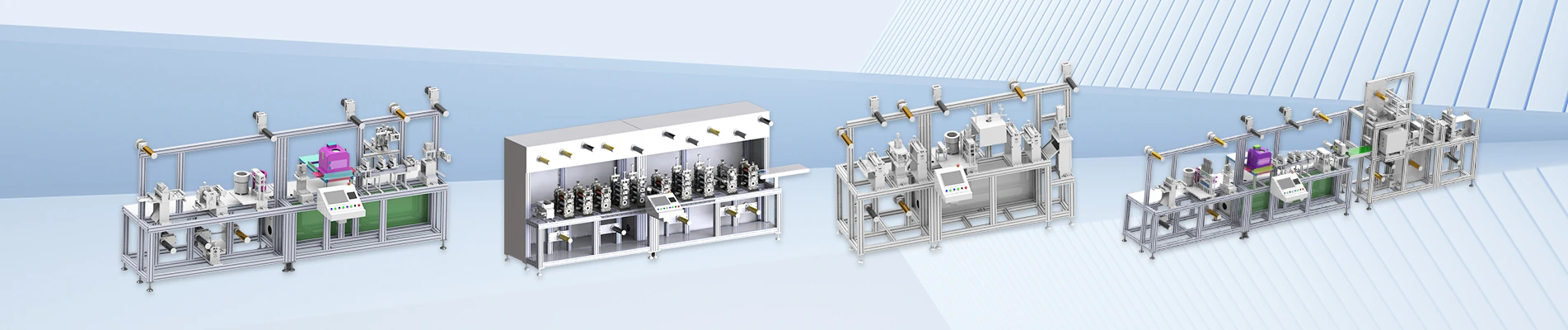
A Hydrogel Coating Machine is a precision automated system designed specifically for the application of hydrogel materials onto flexible substrates used in medical products. Hydrogels—crosslinked polymer networks that can absorb and retain large amounts of water—are the active layer in products ranging from ECG monitoring electrodes to transdermal drug delivery patches. The machine's primary purpose is to transform bulk hydrogel from a viscous, unstable state into a uniform, stable coating that meets exacting medical specifications. This is not a simple process. Hydrogels are challenging materials to handle due to their high viscosity (often >50,000 cP), shear-thinning behavior, and sensitivity to temperature and humidity changes. A Hydrogel Coating Machine is engineered to manage these challenges through precise material delivery, controlled temperature zones, and continuous process monitoring.
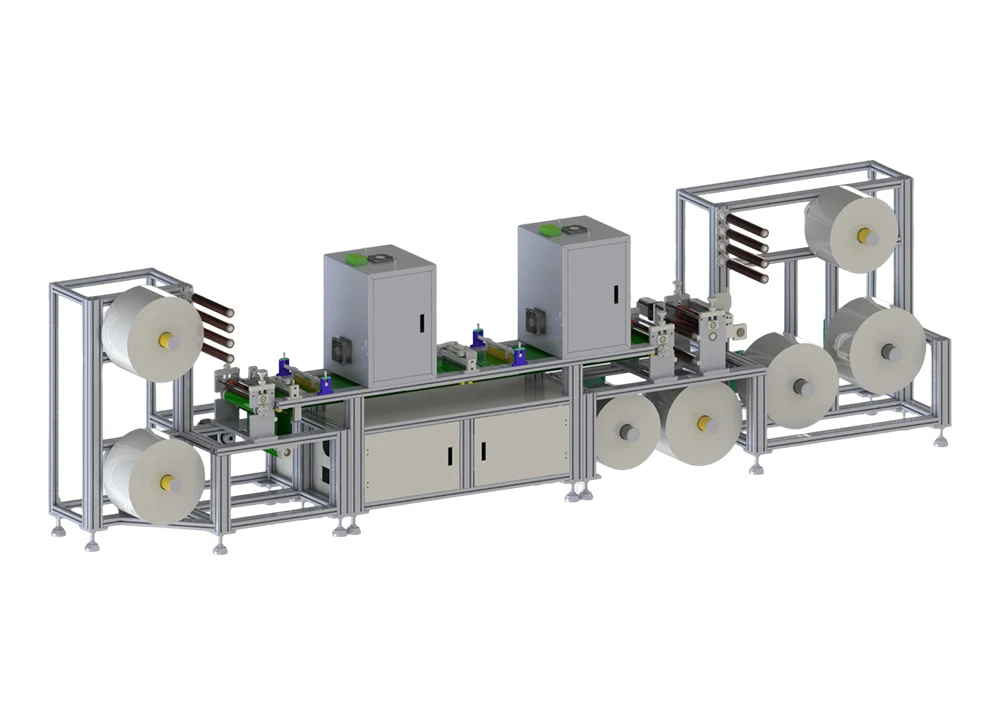
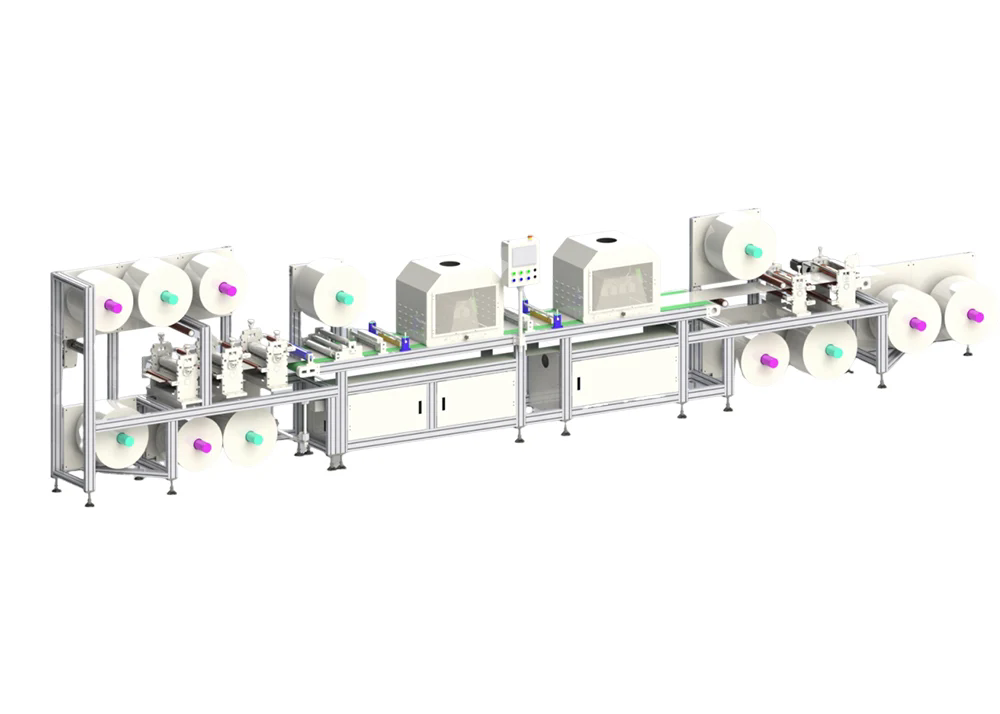
The core working principle of a Hydrogel Coating Machine can be broken down into six stages: material preparation (mixing and de-airing the hydrogel to eliminate trapped bubbles), metered feeding (forcing the material through a pump or extruder to maintain consistent flow), coating application (using a precision die or scraper to spread the material onto the moving substrate), thickness adjustment (fine-tuning the gap between the coating head and substrate to achieve the target thickness), drying/curing (passing the coated substrate through a controlled-temperature oven to remove excess moisture and stabilize the gel), and finally, reeling (winding the finished coated material onto a roll for further processing). Each of these stages is monitored and controlled by a PLC-based system, ensuring that the final product meets the stringent requirements of the medical device industry.
The importance of the Hydrogel Coating Machine in medical production cannot be overstated. In a typical medical electrode production line, the hydrogel coating is the defining feature of the product. It must be electrically conductive, biocompatible, and adhesive to the skin without causing irritation. A poorly coated electrode can lead to inaccurate diagnostic readings, patient discomfort, or product failure. The Hydrogel Coating Machine ensures that the coating is applied with micron-level precision, batch after batch, eliminating the variability inherent in manual or semi-automated processes.
To better understand the machine's capabilities, the table below provides a breakdown of the key technical specifications that define a high-performance Hydrogel Coating Machine.
| Parameter | Value Range | Impact on Production |
| Coating Width | 300 - 1600 mm | Determines the number of patches per roll; wider coating reduces material waste |
| Coating Speed | 1 - 20 m/min (hydrogel-specific) | Balances throughput with drying capacity; hydrogels typically require slower speeds |
| Thickness Control Accuracy | +/- 0.005 mm | Ensures consistent electrical conductivity and adhesive properties |
| Coating Gap Adjustment | Servo-controlled, 0.05 - 5.0 mm | Automated gap setting reduces setup time and operator error |
| Drying Oven Zones | 3 - 8 independent zones | Multi-zone control ensures uniform drying without overheating |
| Temperature Control Accuracy | +/- 1°C per zone | Critical for preserving hydrogel properties and preventing degradation |
| Tension Control | +/- 0.5 N | Prevents substrate stretching or wrinkling during coating |
| Online Thickness Monitoring | Beta-ray or laser sensor | Real-time feedback for closed-loop control; reduces waste |
In medical manufacturing, precision is not a luxury—it is a regulatory requirement and a life-or-death matter. The hydrogel layer on a medical electrode patch, for instance, is the functional interface between an electronic device and a patient's body. It must conduct electrical signals with minimal impedance, maintain stable contact with the skin for extended periods, and release cleanly without causing skin trauma. These performance attributes are directly tied to the uniformity and thickness of the hydrogel coating. A coating that is too thin will have high electrical resistance, leading to noisy ECG signals and potential misdiagnosis. A coating that is too thick will leave residue on the patient's skin and may cause the patch to lose adhesion prematurely. The acceptable tolerance for coating thickness in most medical applications is remarkably narrow—often ±5% of the nominal value.
Consider a real-world clinical scenario that illustrates the importance of coating precision. A cardiac monitoring unit in a major hospital had been using ECG electrode patches that, according to the manufacturer's specifications, met all regulatory standards. However, the clinical staff began noticing an intermittent pattern of signal noise, particularly during patient movement. After extensive investigation, the problem was traced back to subtle variations in the hydrogel coating thickness. Some patches had a gel layer that was 10% thinner than the nominal value, creating a higher impedance that was sensitive to motion artifacts. The manufacturer, upon discovering the issue, found that the variability was introduced during a manual coating step in their production process. This clinical incident led to a full product recall, costing the company millions of dollars in lost revenue and reputational damage.
Beyond electrical performance, coating precision also affects other critical attributes: the hydrogel's adhesion strength to the substrate, its ability to release from the production liner, and the stability of any active pharmaceutical ingredients that may be incorporated into the gel. A minor variation in coating thickness can cause significant changes in drying rate, which in turn can affect the microstructure of the gel—its degree of crosslinking, its water content, and its mechanical properties. A Hydrogel Coating Machine eliminates this source of variability by applying the material with a precisely controlled gap, delivering a uniform coating that is independent of operator skill. This consistency is the key to achieving and maintaining high product quality and regulatory compliance.
The core of any Hydrogel Coating Machine is its coating head—the precision mechanism that actually applies the viscous hydrogel onto the substrate. There are several different coating technologies available, each with its own strengths and limitations for handling hydrogels. The choice of technology depends on the specific viscosity of the hydrogel, the desired coating thickness, the production speed, and the type of substrate. For medical hydrogel applications, three technologies are particularly prominent: comma coating (also known as knife-over-roll coating), slot die coating, and micro-gravure coating.
Comma coating is the most widely used and versatile technology for hydrogels. It operates on a simple but effective principle: a precision-ground doctor blade (the "comma" blade) is positioned over a backing roll, with a controlled gap between the blade and the roll. The hydrogel is introduced into the gap, and the substrate is drawn between the blade and the roll. The blade acts as a metering device, spreading the material to a uniform thickness. Comma coating is well-suited to high-viscosity materials like hydrogels, is easy to clean, and can handle a wide range of coating thicknesses. Its main limitation is that the coating thickness is determined by the gap setting, which requires precise mechanical adjustment.
Slot die coating is a more advanced technology that offers even higher precision and speed. In slot die coating, the hydrogel is pumped through a precision-machined die with a narrow slot, which uniformly distributes the material across the substrate. This technology excels at applying very thin and highly uniform coatings, and it is particularly good at handling shear-sensitive materials. However, slot die coating requires a more complex and expensive die, and it is more sensitive to material impurities that can block the narrow slot. Slot die is often the preferred choice for high-value products where the cost of the die is justified by the quality improvement.
Micro-gravure coating is a technique that uses a small engraved roller to transfer a precise amount of material onto the substrate. The roller rotates in a bath of hydrogel, picking up a film of material that is then doctored off the engraved surface, leaving only the material in the engraved cells. This material is then transferred to the substrate as it passes over the roller. This technology offers excellent metering precision and can apply very thin coatings. It is well-suited for low-viscosity solutions, but it can struggle with the very high viscosities of some hydrogels.
At Junssen, our Hydrogel Coating Machine utilizes a hybrid approach, combining the versatility of comma coating with the precision of automated gap control. Our machine features a heavy-duty comma blade assembly that is servo-adjusted to maintain the coating gap to micron-level accuracy, regardless of variations in the substrate or material viscosity. For customers with high-volume production needs or those requiring extremely thin coatings, we offer a slot die coating option as well.
The table below provides a comparison of the three coating technologies for hydrogel applications.
| Coating Technology | Thickness Range | Viscosity Suitability | Precision | Typical Application |
| Comma Coating | 0.05 - 5.0 mm | High | Good | Standard medical electrodes |
| Slot Die Coating | 0.01 - 1.0 mm | Medium - High | Excellent | Thin films, high-value products |
| Micro-Gravure | 0.005 - 0.3 mm | Low - Medium | Good | Low-viscosity coatings |
The adoption of a Hydrogel Coating Machine is not just a technical upgrade; it is a strategic investment in manufacturing efficiency. Medical device production is characterized by high labor costs, stringent quality requirements, and often thin profit margins. A manual coating process, which relies on skilled operators to spread the gel, is slow, inconsistent, and prone to waste. By automating the coating process, a Hydrogel Coating Machine delivers a quantum leap in productivity, enabling manufacturers to produce more product, with higher quality, in less time.
Consider the experience of a medical device contract manufacturer that made the transition from manual to automated coating. The company was producing ECG electrode patches at a rate of 500 patches per hour using a manual "spread and cure" process. The labor cost per patch was high, and the yield was only 82% due to thickness and drying variations. After installing a Hydrogel Coating Machine, the production rate increased to 2,500 patches per hour—a fivefold increase. The yield improved to 96%, and the labor requirement was reduced from three operators to one. The machine paid for itself within 14 months. This is not an isolated case; it is a typical result for manufacturers making this transition.
The efficiency improvements come from multiple sources. First, the machine operates continuously, with no need for the operator to pause for manual spreading or leveling. Second, the machine's precise gap control ensures that the coating thickness is consistent, reducing the number of rejected patches. Third, the integrated drying system is optimized for the specific drying curve of the hydrogel, minimizing the chance of "skin-over" or incomplete drying—both of which can cause defects. Fourth, the machine can be integrated into a fully automated line, where the coated roll can be directly fed into a die-cutting or packaging system, eliminating intermediate handling steps.
Our factory at Xiamen Junssen Intelligent Technology Co., Ltd. has designed our Hydrogel Coating Machine with a number of features that further enhance efficiency. The machine's quick-change coating head allows for rapid product changeovers, reducing downtime. The user-friendly HMI interface stores recipes for different products, eliminating the time-consuming process of manual parameter adjustment. And the automatic tension control system prevents the substrate from wrinkling or breaking, reducing waste. The following table provides a direct comparison of efficiency metrics between manual and automated coating processes.
| Production Metric | Manual Coating | Hydrogel Coating Machine |
| Production Rate (units/hr) | 500 | 2,500 |
| Yield (%) | 82 | 96 |
| Labor Requirement (operators per shift) | 3 | 1 |
| Material Waste (%) | 15-20% | 2-5% |
| Coating Speed (m/min) | 0.5-1 | 3-10 |
| Thickness Variation (%) | ±10-15% | ±2-3% |
In regulated medical manufacturing, proving that every batch is identical to the last is not just a best practice—it is a regulatory requirement. A Hydrogel Coating Machine incorporates advanced quality control systems that provide real-time assurance of product quality, making it easier to meet FDA, ISO 13485, and other medical device standards. These systems automate the inspection process, replacing subjective visual checks with precise, quantitative measurements.
One of the most critical quality control features of a Hydrogel Coating Machine is online thickness monitoring. As the coated substrate exits the drying oven, it passes through a thickness gauge that provides continuous feedback on the coating thickness. The gauge is typically a non-contact sensor, such as a beta-ray or a laser-based sensor, that measures the thickness of the coating in real time. This data is fed back to the machine's control system, which automatically adjusts the coating gap or the material feed rate to maintain the target thickness. If the thickness falls outside a pre-set tolerance, the machine can automatically reject the non-conforming section of the roll, preventing defective material from reaching the customer.
In addition to thickness monitoring, a Hydrogel Coating Machine may include a vision inspection system. This system uses a high-resolution camera and advanced image processing algorithms to detect surface defects such as bubbles, scratches, streaks, and contamination. These defects, which may be invisible to the naked eye, can be the cause of product failures. The vision system can be programmed to identify specific types of defects and to trigger an alarm or a rejection when they are detected.
To further enhance quality consistency, a Hydrogel Coating Machine can be equipped with a data logging system that records all of the key process parameters for every batch: coating gap, oven temperatures, line speed, material feed rate, and thickness measurements. This data is invaluable for troubleshooting process issues, for verifying compliance with regulatory requirements, and for continuous improvement initiatives. It provides a complete, auditable history of the production process.
At Xiamen Junssen Intelligent Technology Co., Ltd., our Hydrogel Coating Machine includes a comprehensive quality control suite that combines thickness monitoring, vision inspection, and data logging. This ensures that our customers can produce consistent, high-quality product with the confidence that their quality assurance requirements are being met.
Question 1: What types of hydrogel materials can a Hydrogel Coating Machine process?
Answer: A Hydrogel Coating Machine is designed to handle a broad range of hydrogel materials, including conductive hydrogels (used in medical electrodes), adhesive hydrogels (used in wound dressings), and drug-releasing hydrogels (used in transdermal patches). The machine can handle materials with a wide range of viscosities, from a few thousand to over 100,000 centipoise. The specific material compatibility depends on the coating head design and the material's shear sensitivity. Our factory at Xiamen Junssen Intelligent Technology Co., Ltd. offers custom solutions for specific hydrogel formulations.
Question 2: What is the typical thickness control accuracy of a Hydrogel Coating Machine?
Answer: A high-quality Hydrogel Coating Machine can achieve a coating thickness control accuracy of +/- 0.005 mm or better. This is essential for ensuring the electrical and adhesive properties of the product are consistent. The combination of a precision coating head, a high-resolution thickness gauge, and an automatic feedback control system makes this possible.
Question 3: What space is required to install a Hydrogel Coating Machine?
Answer: The footprint of a Hydrogel Coating Machine depends on its width and the configuration of the drying oven. A typical machine for medical electrode production requires a floor space of approximately 10-15 meters in length and 3-4 meters in width, depending on the number of oven zones. Our factory provides detailed layout drawings to help customers plan their factory floor space.
Question 4: How long does it take to clean and change over a Hydrogel Coating Machine between different products?
Answer: A well-designed Hydrogel Coating Machine can be cleaned and changed over in 60-90 minutes. This includes the time to clean the coating head and material delivery system, to replace the coating head if a different type is required, and to set up the new product recipe. The use of quick-change coatings and the recipe storage feature significantly reduces the time required.
Question 5: What is the typical service life of a Hydrogel Coating Machine?
Answer: A high-quality Hydrogel Coating Machine, properly maintained, can have a service life of 15-20 years. The stainless steel construction, the industrial-grade components, and the advanced control systems are designed for long-term reliability. Regular maintenance, including cleaning, lubrication, and scheduled replacement of consumable parts, ensures continued performance and maximizes the return on investment.
Xiamen Junssen Intelligent Technology Co., Ltd.is a high-tech enterprise specializing in the research, development, design, manufacturing, and sales of nonstandard automation equipment. We focus on medical disposable products, including ECG electrode pads, physiotherapy electrode pads, intelligent medical patches, single and double pole neutral electrode plates, as well as various automation solutions such as coating machines, electronic material die cutting machines, adhesive label die cutting machines, slitting machines, laminating machines, and other customized equipment for different industries.
Our company is committed to the research and innovation of automation equipment. Guided by the philosophy of reducing labor costs, improving product quality, and enhancing production efficiency, we provide clients with comprehensive, high-performance, and cost-effective automation technology solutions. Our business philosophy is customer-centric, integrity and honesty, continuous learning, and innovation and pioneering.
The Hydrogel Coating Machine is a transformative technology that addresses the most critical challenges in medical product manufacturing: precision, consistency, and efficiency. By automating the coating process and integrating advanced controls and inspection systems, it enables manufacturers to produce high-quality products at a scale that is simply not achievable with manual or semi-automated methods. The precision coating ensures that each product meets its performance specifications, reducing the risk of clinical failures and improving patient outcomes. The efficiency gains reduce manufacturing costs, making high-quality medical products more accessible. The quality control systems provide the documentation and verification required for regulatory compliance. As the medical device industry continues to evolve, with new materials and more complex products, the importance of precision coating technology will only grow. The Hydrogel Coating Machine is a key enabler of this evolution, supporting the production of next-generation medical products.
Xiamen Junssen Intelligent Technology Co., Ltd. is dedicated to providing the most advanced and reliable Hydrogel Coating Machine solutions. Our machines are designed to meet the specific needs of medical device manufacturers, with a focus on precision, quality, and long-term value. If you are looking to improve the quality, efficiency, and consistency of your medical production, we invite you to explore our Hydrogel Coating Machine solutions. Contact Xiamen Junssen Intelligent Technology Co., Ltd. today to learn more about our Hydrogel Coating Machine and discover how we can help you transform your medical production processes.
ลิขสิทธิ์ © 2026 Xiamen Junssen Intelligent Technology Co., Ltd. สงวนลิขสิทธิ์
Links Sitemap RSS XML นโยบายความเป็นส่วนตัว